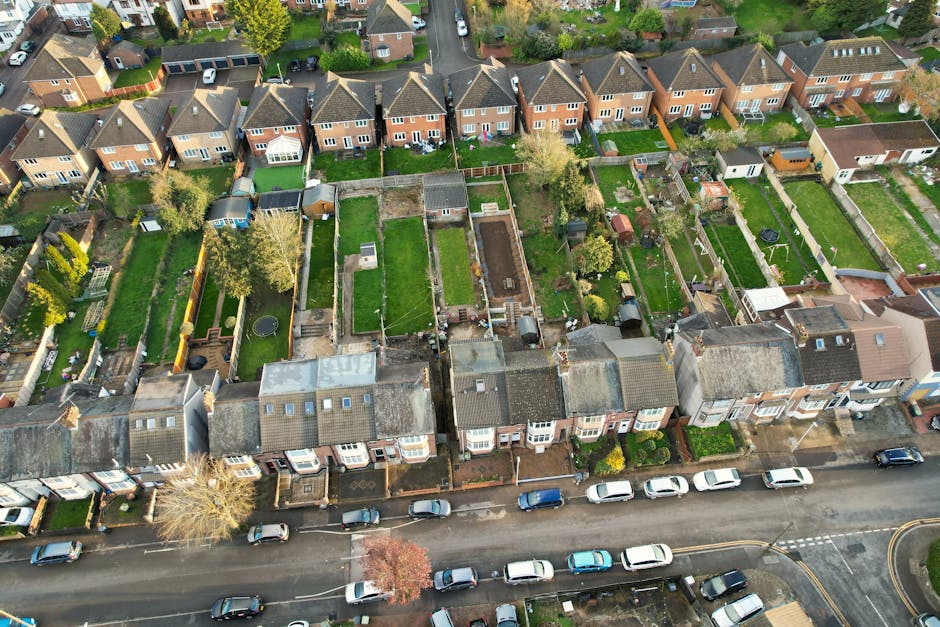
Best gardeners for Ruislip High Street homes HA4

If you live near Ruislip High Street and you are trying to find the best gardeners for Ruislip High Street homes HA4, you are probably looking for more than a quick mow and a polite invoice. You want someone who understands compact front gardens, shaded back plots, awkward access, neighbour lines, and the general reality of keeping a London garden neat without turning your week upside down. Fair enough.
In this guide, we'll look at what actually makes a gardener the right fit for homes around HA4, how to judge quality before you commit, which services matter most, and how to avoid the common mistakes that leave people disappointed. There's also a practical checklist, a comparison table, and a plain-English FAQ at the end.
Why Best gardeners for Ruislip High Street homes HA4 Matters
Gardening around Ruislip High Street is rarely a one-size-fits-all job. Some homes have neat little frontage that needs regular shaping. Others have older gardens with mature shrubs, uneven lawns, and hedges that have a habit of getting a bit too confident by midsummer. The "best" gardener is not just the cheapest or the fastest. It is the one who notices the details you care about and handles them consistently.
That matters because a garden in a busy local setting does three jobs at once. It affects kerb appeal, it influences how usable your outdoor space feels, and it can become a nuisance if maintenance slips. A tidy entrance, a healthy lawn, and controlled planting make a home feel cared for. Let's face it, the difference is obvious the moment you walk up the path.
For homeowners, landlords, and busy families in HA4, the value of a reliable gardener often comes down to peace of mind. Not having to chase someone. Not having to re-explain the same job every visit. Not looking at a hedge and thinking, "Well, that got out of hand." Those small frustrations add up.
If you are comparing providers, it helps to think beyond the visible result. The best local gardener should offer a clear service range, sensible advice, and good communication. A strong starting point is a proper services overview, because that gives you a broader sense of what can be handled as a one-off or as part of a regular plan.
How Best gardeners for Ruislip High Street homes HA4 Works
The process is usually straightforward, but a good gardener will still make it feel organised rather than rushed. It typically starts with understanding the garden's condition, the type of work needed, and how often the space should be maintained. A front garden that only needs light pruning is very different from an overgrown rear garden that needs a full reset. Obvious, perhaps, but surprisingly often skipped over.
From there, the gardener should agree the scope. That might include lawn mowing, hedge trimming, border tidy-ups, weed control, clearing leaves, green waste removal, or more involved work such as soft landscaping or garden clearance. In practice, the best results come when the gardener matches the work to the garden's real condition rather than trying to squeeze every job into a generic visit.
For example, a homeowner on a narrow residential street may need quieter, efficient work with careful waste handling and tidy finish-up. Someone with a bigger rear garden may need a scheduled maintenance plan to prevent the plot from becoming a weekend chore every two weeks. Different homes. Different rhythm. Same goal: a garden that stays manageable.
It also helps when the gardener has a clear method for dividing tasks. The stronger operators usually think in layers: immediate tidy, medium-term recovery, then ongoing maintenance. That approach is more realistic than simply mowing, clipping, and leaving.
If a garden has a lot going on, you may need more than maintenance alone. Services such as garden clearance or landscaping can help reset the space before regular upkeep begins. That sequence matters. A lot.
Key Benefits and Practical Advantages
The main benefit of choosing the right gardener is consistency. A garden that is looked after regularly tends to stay healthier, cleaner, and easier to enjoy. But there are several practical advantages worth spelling out.
- Better kerb appeal: Neat edges, trimmed hedges, and a healthy lawn make a noticeable difference from the street.
- Less stress: You do not have to remember every seasonal task yourself.
- More usable space: A tidy garden feels bigger and calmer, even if it is not.
- Reduced catch-up work: Ongoing care is easier than rescuing an overgrown space.
- Safer access: Clearing slippery leaves, broken growth, and clutter can help avoid trip hazards.
- Better plant health: Proper pruning and sensible maintenance support long-term growth.
There's also a quieter benefit people sometimes overlook: confidence. When a gardener understands your property and your expectations, you stop second-guessing the results. You know what will happen on a visit, and that predictability is a comfort in itself. Not glamorous, but genuinely useful.
For some homeowners, the best value comes from a regular maintenance arrangement rather than one-off fixes. A planned service can be especially helpful if you have hedges that need shaping, lawns that need attention, or borders that fill up fast with weeds. If you are in that camp, garden maintenance is often the most sensible place to start.
Who This Is For and When It Makes Sense
This topic is relevant to a wide group of people, and not all of them are looking for the same thing. Some want a full garden tidy before selling or renting out a property. Others just want their outdoor space to stop looking tired. Some simply do not have the time, tools, or physical capacity to keep up with the work.
It makes sense to look for the best gardeners for Ruislip High Street homes HA4 if you are:
- a homeowner who wants reliable ongoing care
- a landlord preparing a property between tenancies
- a busy family trying to keep a usable outdoor space
- an older resident who wants help with heavier or repetitive tasks
- someone dealing with a garden that has run ahead of you after a few wet weeks and no spare time
There is a real difference between occasional tidy-ups and structured care. If your hedge is already pushing boundaries, if the lawn has turned patchy, or if the garden is full of cuttings and old debris, the right gardener can save you a lot of time. In those cases, you might need a blend of hedge trimming, lawn mowing, and a deeper tidy rather than a single quick pass.
Truth be told, the best time to call is usually before the garden becomes a problem. But if it already has, that's fine too. Happens all the time.
Step-by-Step Guidance
If you want a practical way to choose and use a gardener well, follow these steps.
- Walk the garden with fresh eyes. Note what is actually bothering you: long grass, overgrown hedges, messy borders, weeds, poor drainage, clutter, or all of it at once.
- Separate urgent work from ongoing work. A border tidy is not the same as a full clearance. Sorting this out early avoids confusion later.
- Decide whether you need one-off or regular support. A one-off visit may solve a short-term issue, but many gardens need ongoing attention to stay in shape.
- Ask what is included. Waste removal, edging, pruning, and green cuttings can be included or excluded depending on the provider.
- Check how they handle access and tidiness. Good gardeners protect paths, work cleanly, and leave the space ready to use.
- Request a written quote or clear pricing explanation. You want to know what is being done, not just a vague total.
- Agree the priority order. For example: cut back hedge first, mow lawn second, clear debris third, then refine the borders.
- Review the first visit carefully. A first job tells you a lot about reliability, communication, and finish quality.
One useful habit: keep a simple note of what was done each time. Nothing fancy. Just a few lines. That makes it easier to spot what needs repeating and what can wait. It also avoids that awkward moment when you think, "Did we already get the front hedge done this month?"
If your garden needs a more structural refresh, it may be worth looking at landscape gardening rather than maintenance alone. That is especially true where beds, paths, levels, or planting layouts no longer suit the way you actually live.
Expert Tips for Better Results
The difference between an okay gardening service and a genuinely good one often comes down to small habits. These are the things experienced homeowners notice after a few visits.
- Be clear about the finish you want. Some people want a crisp, formal look. Others prefer a softer, natural style. Say it early.
- Focus on the problem spots first. If the front hedge looks good but the back steps are hidden by growth, prioritise safety and access.
- Choose the right frequency. Lawns often need more regular attention in growing months than people expect.
- Do not ignore seasonal changes. Spring growth and autumn leaf fall can change the workload fast.
- Use the first visit to set standards. If the first job is sloppy, the second probably will be too.
A good local gardener should also be able to suggest the sensible next step, not just the most profitable one. Sometimes that means a simple trim and tidy. Sometimes it means a proper clearance followed by lighter maintenance visits. Sometimes the best answer is a phased approach. Boring? Maybe. Effective? Absolutely.
And yes, a proper gardener should leave the place looking better than they found it. That sounds obvious, but you would be amazed how often that principle gets lost in the rush.
Common Mistakes to Avoid
A few avoidable mistakes come up again and again when people hire gardeners for local homes. None are dramatic on their own, but together they can lead to poor value and a messy outcome.
- Choosing only on price. Cheap can be fine. Cheapest is not always best, especially if the finish matters.
- Not defining the job properly. If the gardener thinks they are doing a tidy-up and you expected a full reset, someone will be disappointed.
- Skipping a regular schedule. Gardens are living spaces. They drift quickly when ignored.
- Forgetting about waste. Green waste can become a nuisance if it is not planned for.
- Ignoring safety concerns. Tall trees, heavy branches, slippery paths, and hidden debris need proper handling.
- Assuming every service includes the same scope. It does not. Never assume.
One surprisingly common issue is people asking for a "quick tidy" when the garden actually needs a deeper intervention. That is how jobs become awkward. If the grass is knee-high, the hedge is spilling over, and the beds are buried, you are not dealing with a quick tidy. You need a realistic plan.
That is where a service like garden clearance can make more sense than trying to patch things up piecemeal. A proper reset can save time, money, and a fair bit of frustration.
Tools, Resources and Recommendations
You do not need to own every tool in the shed to keep a garden in good shape, and to be honest, most people do not want to. A good gardener brings the equipment, the know-how, and the right approach. Still, it helps to know what is commonly used so you can understand what the job involves.
Typical tools and methods may include:
- lawn mowers and edging tools for a clean finish
- hedge trimmers for controlled shaping
- secateurs and pruning saws for smaller woody growth
- rakes, sacks, and collection tools for waste and debris
- simple planning notes for repeat visits and seasonal work
For most homeowners, the best practical resources are not gadgets. They are clarity, a maintenance plan, and a provider who explains the work in plain English. If you are comparing service options, the pages on lawn mowing, hedge trimming, and services overview are useful because they help you understand what each type of work typically covers.
There is also a practical money-and-admin side to this. A clear quote process, straightforward payment expectations, and transparent policies all help reduce friction. If you care about that sort of thing - and you probably should - take a look at pricing and quotes and payment and security before booking.
Law, Compliance, Standards, or Best Practice
Gardening work can touch on safety, waste handling, neighbour considerations, and sometimes tree work. You do not need to become a legal expert, but it is sensible to expect professionalism. In the UK, good practice generally means working carefully, respecting property boundaries, using equipment responsibly, and handling waste in a tidy and lawful way.
If any work involves ladders, heavy branches, sharp tools, or difficult access, you should expect sensible precautions. That includes proper risk awareness, correct handling of tools, and insurance suitable for the type of work being carried out. If a provider cannot answer basic safety questions clearly, that is a warning sign. Nothing dramatic - just a quiet one worth listening to.
It can also help to check whether a company has clear internal standards around safety and professionalism. Pages such as health and safety policy and insurance and safety are useful trust signals because they show the business is thinking beyond the immediate job.
For sustainability-minded homeowners, green waste handling matters too. Responsible disposal, reuse where appropriate, and attention to recyclable or compostable material are all part of a more considered service. If that matters to you, the company's recycling and sustainability information may be worth reading.
Options, Methods, or Comparison Table
Not every garden needs the same kind of support. Here is a simple comparison to help you think about the main options.
| Option | Best for | Typical strengths | Watch-outs |
|---|---|---|---|
| One-off tidy-up | Lightly neglected gardens or pre-event prep | Quick, simple, useful for immediate improvement | May not solve underlying maintenance issues |
| Regular garden maintenance | Homes that need consistent care | Predictable, keeps growth under control, easier long term | Requires scheduling and ongoing budget planning |
| Garden clearance | Overgrown, cluttered, or abandoned-looking gardens | Resets the space and creates a clean starting point | More intensive and may be more disruptive |
| Landscape gardening | Spaces that need redesign or improved usability | Can change how the garden works and feels | Needs planning and may take longer to complete |
| Combined services | Gardens needing both maintenance and improvement | Flexible and often the best long-term fit | Requires a clear brief so nothing gets missed |
For many Ruislip High Street homes, a combined approach is the most practical. A tidy front garden, a trimmed hedge, a cleaned-up rear space, and then a maintenance rhythm after that. Simple, but it works. You do not always need a big redesign - sometimes you just need the right sequence.
Case Study or Real-World Example
Here's a realistic example. A homeowner near Ruislip High Street had a front garden that looked tidy at a glance, but the hedge had started to crowd the path and the lawn was thinning in patches. The back garden had become a bit of a storage zone for cuttings, plant pots, and old bits of timber. Nothing shocking. Just one of those spaces that slowly stops feeling pleasant.
Rather than booking separate ad hoc jobs every few months, they chose a structured plan. First, the overgrowth was cut back. Then the lawn was brought under control. The messy section at the rear was cleared. After that, a lighter maintenance pattern was agreed to keep things from slipping again. The result was not a show garden, and nobody needed to pretend it was. But it became usable, neater, and far less stressful to look at from the kitchen window on a damp Tuesday morning.
That is the real point. Good gardening work is not always about transformation in the glossy-magazine sense. Often it is about making daily life easier. And that is worth a lot.
Practical Checklist
Use this checklist before you book or during the first conversation with a gardener.
- Have I identified the main jobs clearly?
- Do I need one-off work, regular maintenance, or both?
- Is waste removal included or discussed?
- Have I checked how access, parking, or timing will work?
- Do I know whether the gardener handles hedges, lawns, clearance, and more complex jobs?
- Have I asked for clarity on pricing and scope?
- Do I know what good results should look like for my home?
- Have I checked for safety and insurance awareness?
- Is the gardener's communication clear and easy to follow?
- Do I have a simple plan for repeat visits after the first job?
If you can tick most of those boxes, you are in a much better position than most people who just hope for the best. Hope is lovely. A plan is better.
Get a free quote today and see how much you can save.
Conclusion
Choosing the best gardeners for Ruislip High Street homes HA4 is really about fit: the right services, the right pace, the right finish, and the right level of trust. A good gardener should make your outdoor space easier to enjoy and easier to manage, not add extra admin or confusion.
Whether you need a simple tidy-up, a regular maintenance schedule, hedge work, lawn care, or a more involved garden reset, the best result usually comes from being clear early and choosing a provider that works carefully. Small details matter. They always do.
If your garden has been quietly asking for attention for a while, that is not a failure. It is just a sign it is time to sort it properly. A well-kept garden can change the feel of a home in a way that is hard to explain until you step outside and notice the difference. Quite nice, really.
Frequently Asked Questions
What should I look for in the best gardeners for Ruislip High Street homes HA4?
Look for clear communication, relevant services, sensible pricing, tidy workmanship, and a provider who understands both regular maintenance and more involved garden work. The best fit is usually the one that matches your garden's actual needs, not just the cheapest quote.
Is regular garden maintenance better than one-off visits?
For most homes, regular maintenance is easier to manage and usually keeps the garden looking better throughout the year. One-off visits are useful for catch-up work or occasional resets, but ongoing care stops problems building up again.
How often should a lawn be mown in a typical Ruislip garden?
It depends on the season, grass type, and how quickly the garden grows. In active growing periods, lawns often need more frequent attention than people expect. A gardener can suggest a sensible rhythm after seeing the space.
Do I need garden clearance before maintenance starts?
If the garden is overgrown, cluttered, or hard to access, yes, a clearance first can make maintenance much more effective. Starting with a reset often gives better long-term results than trying to maintain a space that is already out of control.
Can gardeners help with hedges and shrubs as well as lawns?
Yes, many gardeners handle both. Hedge work and shrub shaping are often part of a wider maintenance visit. If the hedge is particularly large or difficult, ask specifically what is included before booking.
What is the difference between landscaping and garden maintenance?
Maintenance keeps a garden tidy and healthy. Landscaping usually changes the layout, structure, or function of the space. If your garden needs improvement rather than just upkeep, landscaping may be the better option.
How do I know if a gardener is reliable?
Reliability shows up in the basics: clear contact, punctuality, consistent work, and honest explanations. If the gardener is vague from the beginning, that usually tells you quite a bit.
Should I ask about insurance and safety?
Yes, especially if the work includes ladders, heavy cutting, or tree-related tasks. Good providers should be able to explain their safety approach in plain language. It is a sensible question, not an awkward one.
What if my garden is too overgrown to describe properly?
That happens more often than you'd think. A simple walkthrough or a few clear photos can help a gardener understand the scale of the job. From there, they can advise whether you need clearance, maintenance, or both.
Are local gardeners better for homes near Ruislip High Street?
Often, yes. Local gardeners are usually more familiar with the pace, access issues, and property styles in the area. That local understanding can make planning easier and the work more efficient.
What services are most useful for busy households?
For busy households, the most useful services are usually lawn mowing, hedge trimming, garden maintenance, and occasional clearance. Those are the jobs that quickly make a garden look and feel more manageable.
How can I keep costs under control without cutting corners?
Be clear about priorities, avoid vague briefs, and choose a maintenance schedule that prevents bigger problems later. A well-planned visit is usually better value than repeated emergency tidy-ups.
Where should I start if I'm unsure what my garden needs?
Start with a simple assessment of the main pain points: lawn, hedges, weeds, clutter, access, and overall tidiness. Then compare the likely fit between maintenance, clearance, and landscaping. If needed, check the company's about us page and contact us page to understand how they work and how to reach them.
Is there a way to compare prices fairly?
Yes. Ask what is included, whether waste removal is part of the quote, and whether the work is a one-off or ongoing. That gives you a far better comparison than looking at headline numbers alone. A properly explained quote is worth more than a mysterious bargain.