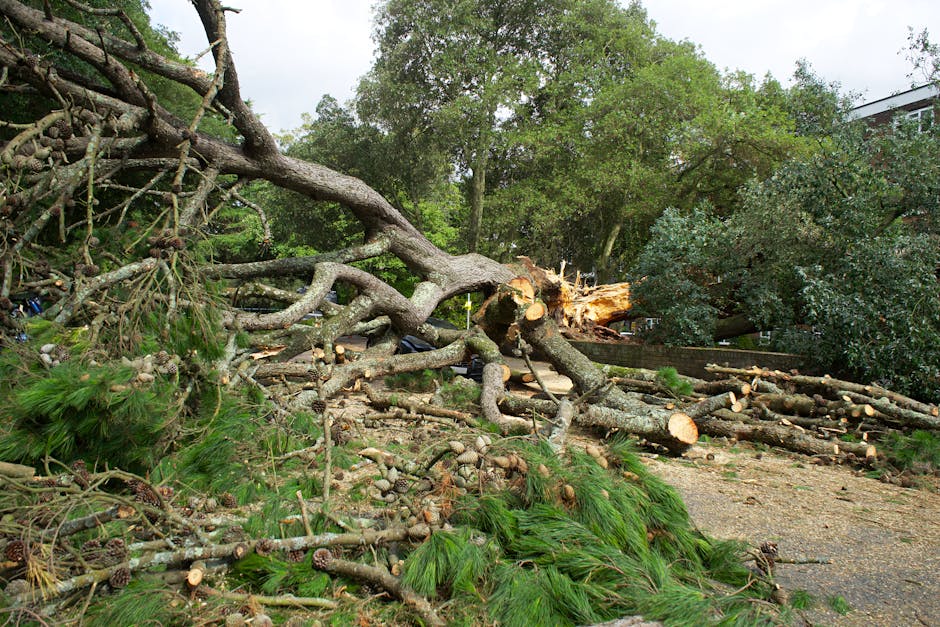
Real cost of emergency tree work by Ruislip gardeners
When a tree starts leaning after a storm, drops a heavy limb over a driveway, or scrapes against a roof at midnight, the first question is usually not about pruning techniques. It's: how much is this going to cost? That's exactly where the Real cost of emergency tree work by Ruislip gardeners becomes important. Emergency tree work is rarely a neat, standard job. It can involve awkward access, dangerous timber, urgent mobilisation, and a fair bit of judgement on the spot. In other words, the price is shaped by more than just how big the tree looks from the kerb.
This guide breaks down what emergency tree work actually includes, what affects the final bill, how to judge whether a callout is justified, and how to avoid paying more than you need to. If you're in a hurry, you'll still want the full picture. Let's face it, a rushed decision about a damaged tree can get expensive in the wrong way.
For broader service context, it can also help to look at the full service overview and the practical details on tree lopping and removal before you book anything. That way, you can separate a genuine emergency from a job that can safely wait until normal hours.
Table of Contents
- Why the real cost matters
- How emergency tree work works
- Key benefits and practical advantages
- Who this is for and when it makes sense
- Step-by-step guidance
- Expert tips for better results
- Common mistakes to avoid
- Tools, resources and recommendations
- Law, compliance, standards and best practice
- Options, methods and comparison table
- Case study or real-world example
- Practical checklist
- Conclusion
- Frequently asked questions
Why the real cost of emergency tree work by Ruislip gardeners matters
The price of emergency tree work is not just a number on an invoice. It reflects risk, response time, crew size, equipment, and the awkward reality that dangerous tree work often cannot be handled like a routine garden tidy-up. In Ruislip, where homes can have tight side access, shared boundaries, overhead lines nearby, or mature trees in compact gardens, the practical difficulty can rise fast.
That matters because homeowners often compare emergency tree work with standard tree pruning and assume they should be similar. They're not. A planned visit for shaping, deadwood removal, or maintenance is one thing. A call at 7pm after a branch has cracked and is hanging over a conservatory is something else entirely. One is scheduled. The other is reactive, urgent, and potentially hazardous.
There's also the emotional side. When a tree is threatening a roof, fence, car, or neighbour's garden, people want reassurance. You do not want vague pricing, nor a team that turns up unprepared. The real cost, then, includes peace of mind, speed, and the reduction of further damage. Sometimes paying for the right emergency response saves a far bigger repair later. A broken gutter, smashed panel, or blocked access route can cost more than the tree work itself. Annoying, yes. But true.
A good emergency tree contractor will explain what is immediate danger, what can be made safe quickly, and what can wait until a fuller follow-up visit. That sort of honest split is usually the sign of a professional approach, not a sales trick.
Practical takeaway: emergency tree pricing is driven by urgency and safety first, not just tree size. If a quote seems high, ask what specific risk, access issue, or out-of-hours factor is pushing it up.
How the real cost of emergency tree work by Ruislip gardeners works
Emergency tree work usually begins with an assessment, often by phone first, then on site if needed. The gardener or tree team will want to know what happened, whether the tree is still moving, whether anything has already fallen, and if people, vehicles, or buildings are at risk. A few clear photos can help, though they won't replace a proper inspection where safety is uncertain.
The cost usually builds from several parts:
- Callout or mobilisation: getting a crew to site quickly, sometimes outside standard hours.
- Assessment and risk control: checking what can be safely done immediately.
- Labour: the number of people required to make the area safe.
- Equipment: chainsaws, rigging gear, stump handling tools, elevated access, or traffic control measures where relevant.
- Disposal: clearing timber, brash, and green waste, especially if the site is awkward.
- Follow-up work: if the emergency response is only the first stage.
Not every emergency ends in full removal. Sometimes a branch is reduced, tied off, or sectioned away to remove immediate danger. In other cases, the tree has to come down in parts. If the work is more like a managed removal than a quick tidy, the price will reflect that. And yes, sometimes the "emergency" part is simply that the timing is urgent, not that the tree is technically worse than another job. The clock matters.
It's also worth noting that a proper emergency response may cost less overall than a delayed one. If a team can attend quickly and prevent further breakage, you may avoid extra damage to fencing, paving, or garden structures. That's especially relevant if the tree sits close to something like a timber platform or outdoor structure; in that situation, it may be sensible to review decking services or related garden repair planning after the urgent tree issue has been handled.
Key benefits and practical advantages
Emergency tree work is about more than damage control. Done well, it gives you a safer property and a clearer plan. Here are the biggest practical advantages.
- Immediate hazard reduction: dangerous limbs can be removed or stabilised before they fail.
- Lower risk to people and property: this is the obvious one, but it is the big one.
- Faster decision-making: a good team tells you what is urgent and what is not.
- Cleaner follow-up planning: once the danger is dealt with, you can decide whether further tree work or garden clearance is needed.
- Less stress for homeowners and neighbours: nobody enjoys looking at a half-fallen tree wobbling in the wind.
There's also a hidden benefit: emergency work often exposes the real state of the tree. A branch failure may reveal decay, split unions, or root problems that were not obvious before. That can change how you manage the garden going forward. In some cases, it's not just a one-off fix, but the start of a better long-term plan through garden maintenance or even a redesign under landscape gardening.
Who this is for and when it makes sense
This service is for anyone dealing with a tree problem that can't realistically wait. The common examples are easy enough to spot once you know what to look for.
- A tree or large branch has fallen after high winds.
- A trunk is visibly leaning more than before.
- A limb is split and hanging over a path, roof, or car.
- Roots have lifted or destabilised the base of the tree.
- There is contact with a building, fence, shed, or neighbouring property.
- There is a fresh crack, grinding noise, or visible movement in the canopy.
It also makes sense if you need access restored quickly. A fallen branch across a drive can turn a normal morning into a bit of a mess, especially when school runs, deliveries, or work commitments are involved. You know the kind of thing. It's raining, the bin men are due, and the path is blocked. That's when fast, practical help matters.
Not every urgent tree issue is a true emergency. If a tree is overgrown but stable, or a hedge is simply out of hand, a scheduled visit is often better value. In that case, services like hedge trimming, lawn mowing, or even garden clearance may be the more sensible route. Truth be told, the best savings often come from choosing the right type of job in the first place.
Step-by-step guidance
If you're dealing with a damaged tree now, keep the process simple. A calm sequence helps you avoid panic spending and helps the contractor quote more accurately.
- Check immediate danger from a safe distance. Don't stand under hanging branches or lean on damaged timber. If the tree is near a road or live wires, treat it as serious.
- Take a few photos. Wide shots are useful. Close-ups too, if they can be taken safely.
- Note access issues. Narrow side passages, locked gates, parked cars, and rear-only access all affect labour and time.
- Describe what has happened clearly. Tell them if the tree is moving, partially fallen, or blocking access.
- Ask what the immediate priority is. The right response is usually about making it safe first, not about doing everything at once.
- Request a clear breakdown. Ask whether the quote includes callout, labour, waste removal, and any return visit.
- Confirm next steps in writing if possible. Even a short message helps reduce confusion later.
A small but useful clarification: if a team says they need to return for a second stage, that is not always a bad sign. It often means they are separating urgent risk reduction from non-urgent finishing work. That can be more cost-effective than trying to do everything under pressure in one go.
Expert tips for better results
In our experience, the people who get the best emergency tree outcome are rarely the ones who panic the hardest. They are the ones who give useful information quickly and ask sharp, calm questions.
Here are the practical tips that genuinely help:
- Send photos before the visit. This can reduce guesswork and help the team turn up prepared.
- Separate the urgent problem from the wider garden issue. A broken tree and an untidy border are not the same job.
- Ask if access will change the price. Rear gardens, tight alleys, and limited parking can all matter.
- Check whether waste removal is included. Tree work often creates more debris than people expect.
- Ask about insured work and safety procedures. Emergency work is not the place for cutting corners.
- Consider future prevention. Once the tree is dealt with, a maintenance plan can reduce repeat issues.
There's also a very simple tip that saves money: avoid booking a full removal if the actual need is just to make a limb safe. Not every tree problem needs the biggest possible solution. Sometimes a reduction and tidy-up is enough, and it can keep the garden feeling open rather than stripped bare.
For ongoing care after the emergency, it may be worth reviewing tree lopping and removal alongside normal maintenance options so the next windy spell doesn't catch you out again.
Common mistakes to avoid
Emergency jobs get expensive when people are forced into a poor choice. A few common mistakes come up time and again.
- Waiting too long. A cracked limb becomes a fallen limb. The price often rises with the damage.
- Assuming every tree team offers the same service. Some are better for quick safety work, others for planned removals.
- Accepting a quote without understanding what is included. That can lead to surprises over waste, access, or follow-up work.
- Ignoring neighbour or property boundaries. Tree work near shared boundaries can create awkward delays if not handled carefully.
- Trying DIY cuts on a damaged tree. This one is risky. Not a clever little weekend project, no matter how tempted you are.
- Confusing cosmetic pruning with hazard reduction. A tidy tree is nice; a safe tree is necessary.
One of the most expensive mistakes is asking for a full resolution when the problem only needs stabilising. A good contractor should explain the difference. If they don't, ask again. It's your money.
Tools, resources and recommendations
You do not need specialist tools yourself, but it helps to know what a professional might use and why it matters to the final cost.
| Tool or resource | Why it matters | Cost impact |
|---|---|---|
| Chainsaws and cutting gear | Needed for controlled sectioning and safe removal | Moderate, depending on complexity |
| Rigging equipment | Used to lower branches safely where drop space is limited | Can increase price on awkward sites |
| Protective equipment | Helps keep crews safe during hazardous work | Usually built into labour costs |
| Chipper or waste transport | Reduces and removes green waste efficiently | Often significant if debris volume is high |
| Access aids | Ladders, platforms, or other methods for reaching damaged sections | Depends on site layout |
For most homeowners, the best resource is not a tool at all. It's a clear service page and a transparent pricing conversation. A useful place to start is pricing and quotes, especially if you want to understand how a contractor explains value before a callout. If you also care about how waste is handled after the job, recycling and sustainability can be a helpful signal of what happens to the cut material once it leaves your garden.
If the emergency is part of a much larger outdoor problem, broader planning may help too. A damaged tree can affect pathways, tired turf, and broken planting areas all at once. That's where landscaping or a combined garden tidy-up can be worth discussing after the urgent risk is removed.
Law, compliance, standards and best practice
Tree work is one of those areas where safety and judgement matter more than bravado. While this article is not legal advice, there are a few sensible UK practice points worth keeping in mind.
First, emergency work should still be carried out by people who understand safe cutting, falling timber risks, and property protection. If a tree could affect structures, neighbours, or access routes, proper risk assessment is expected. That doesn't mean a long formal document for every tiny job. It does mean the team should think before cutting.
Second, if a tree is protected, in a conservation area, or otherwise subject to local controls, extra care is needed. In an urgent situation, the immediate priority may still be safety, but it is wise to check obligations as soon as practical. The same goes for work near utilities, roads, or shared boundaries. When in doubt, pause and ask. It's cheaper than making a problem bigger.
Third, a reputable provider should be able to talk about insurance, liability, and site safety in plain English. If the work is being done near a fence, shed, car, or roofline, that conversation is not admin fluff. It's the difference between a tidy job and a risky one. You can also review general expectations around health and safety and insurance and safety before commissioning urgent work.
Finally, avoid any approach that prioritises speed over control. Best practice in emergency tree work is simple: make safe, then tidy, then decide whether more work is needed. That order matters.
Options, methods and comparison table
Not every tree issue needs the same response. The right option depends on urgency, access, and how stable the tree is. Here's a simple comparison to help you think it through.
| Option | Best for | Pros | Trade-offs |
|---|---|---|---|
| Emergency make-safe | Immediate danger, hanging limbs, blocked access | Fast, practical, reduces risk quickly | May not fully finish the job |
| Partial reduction | Tree is damaged but not beyond saving | Can preserve the tree and reduce cost | Needs a proper assessment |
| Full removal | Severe structural failure or unsafe tree | Removes ongoing hazard | Usually the most disruptive option |
| Planned maintenance visit | Overgrowth, deadwood, non-urgent concerns | Better value, less rushed | Not suitable for active danger |
Another practical comparison is between emergency tree work and general garden tidying. If your issue is more about overgrowth than safety, a regular visit may suit you better. For example, routine cuts around paths, borders, or hedging are usually less expensive and easier to schedule than urgent tree intervention. That's where hedge trimming and lawn mowing sit comfortably in the background of a well-kept garden, while emergency tree work handles the rare, messy moments.
Case study or real-world example
Picture a windy evening in Ruislip. Nothing dramatic at first. Then a homeowner notices a heavy branch has split above a rear patio and is resting awkwardly against the rest of the canopy. The branch is not fully on the ground, but it is clearly unstable. There is a child's trampoline nearby, a neighbour's fence on one side, and no easy rear access. Not ideal.
A sensible response would begin with photographs, a quick call, and a clear explanation of the risk. The team would likely advise keeping people away from the area and avoiding any attempt to pull the branch down manually. When they attend, the first task is to make it safe. That may involve controlled cutting from a safe position, lowering sections carefully, and clearing the area so the patio can be used again.
The final cost in a case like that would likely be shaped by a few things: the urgency of the attendance, the need for careful sectioning, the awkward access, and the amount of waste removed. If the branch had already fallen cleanly with no obstruction, the price could be lower. If it had taken part of a fence with it, naturally, that changes the story.
The point is not the exact figure. The point is that the real cost follows the real risk. Simple enough, but easy to miss when you're standing in the garden at dusk, looking at something that should not be there.
Practical checklist
Use this checklist if you need to decide whether to call for emergency tree work.
- Is the tree or branch actively dangerous right now?
- Could it fall onto people, a roof, a car, or a boundary structure?
- Is there visible cracking, lifting, or leaning that was not there before?
- Have you kept everyone away from the area?
- Have you taken a few safe photos for the contractor?
- Do you know whether access is tight or awkward?
- Have you asked what the quote includes?
- Do you understand whether the response is make-safe, partial reduction, or full removal?
- Have you checked whether follow-up garden or tree care will be needed?
- Have you compared the urgency against a planned visit if the risk is actually low?
If the answer to the first four is yes, treat it seriously. Better cautious than clever. That rule saves headaches.
For ongoing support after the urgent work, you may also want to review garden clearance if debris has spread across the space, or speak with the team via contact us once you're ready to explain the site conditions properly.
Conclusion
The real cost of emergency tree work by Ruislip gardeners is shaped by urgency, safety, access, equipment, waste removal, and the level of risk involved. That's why prices can vary so much from one situation to another. A small, manageable make-safe job may be relatively straightforward, while a storm-damaged tree leaning over a structure can require careful, urgent, and more expensive work.
The best way to keep control of the cost is to act early, share clear information, and ask exactly what is included. Above all, focus on making the area safe first. Cosmetic perfection can wait. Safety cannot.
If you need help understanding your options, or you want a clearer breakdown before booking, start with the service details and pricing pages so you know what to expect. A sensible conversation now is usually the cheapest part of the whole process.
Get a free quote today and see how much you can save.
Frequently Asked Questions
How much does emergency tree work usually cost in Ruislip?
The cost varies depending on urgency, access, the size of the tree, and whether waste removal is included. A simple make-safe job will usually cost less than a full emergency removal, especially if the crew can work in daylight and access is easy.
What makes emergency tree work more expensive than standard tree work?
Speed, risk, and disruption. Emergency jobs often require quicker mobilisation, more careful handling, and more labour to control unstable timber safely. If the team has to work out of hours or in a tight rear garden, the price can rise further.
Can a gardener do emergency tree work, or do I need a specialist?
It depends on the scale of the problem. Minor pruning and simple clearance may sit within normal garden services, but dangerous limbs, storm damage, or unstable trees need proper tree work knowledge and safe equipment. If there is any doubt, treat it as a specialist job.
Is a fallen branch always an emergency?
Not always. If the branch has fallen cleanly, is not blocking anything important, and does not create a further hazard, it may be dealt with during a planned visit. If it is hanging, cracked, or partly attached, that is a different story and should be treated urgently.
Will I pay extra if the tree is in a hard-to-reach part of the garden?
Very possibly. Rear access, narrow side passages, locked gates, and awkward parking all affect time and labour. It's one of the most common reasons emergency tree work costs more than expected.
Do emergency tree teams remove all the waste?
Usually they can, but you should always ask. Some quotes include full clearance and disposal, while others cover only the urgent safety work. It's a small detail that makes a big difference to the final bill.
What should I do before the crew arrives?
Keep everyone away from the tree, avoid standing under hanging limbs, and take a few safe photos if possible. If vehicles or garden furniture can be moved without risk, that can help too. Don't attempt to cut or pull anything down yourself.
Can emergency tree work be split into stages to save money?
Yes, often it can. A contractor may first make the area safe, then return later for tidying, removal, or follow-up tree work. That approach can be more affordable and less rushed, which is usually a good thing.
What if the tree might be protected or subject to local rules?
In that case, ask for advice before proceeding unless there is an immediate safety issue. Emergency work still needs careful handling, and any wider obligations should be checked as soon as practical afterwards.
How do I know if the quote is fair?
Ask what the quote includes: callout, labour, equipment, waste removal, and any return visit. A fair quote should be clear about the work scope and the reason for the price. If something feels vague, ask again. A good contractor will explain it plainly.
Should I choose full removal or just reduction work?
Only after a proper assessment. Full removal is sometimes necessary, but not always. If the tree can be made safe with a reduction or sectioned repair approach, that may preserve the tree and reduce cost. The right answer depends on the damage and the risk.
Where can I find more information before booking?
You can review the service details on tree work, check the pricing pages, and look at the wider service overview to see how emergency work fits into general garden care. That tends to make the decision much clearer, especially if you're comparing urgent work with routine maintenance.
Sometimes the best thing you can do for a garden is act quickly, calmly, and with a clear head. That's usually enough to turn a stressful tree problem into something manageable, and that's a relief worth having.